Bird Species Guide
Facts, nesting habits, and seasonal breeding patterns for the birds that cause commercial and industrial damage across the United States.
Effective commercial bird control starts with knowing the species. Nesting cycles, flock behavior, roost preferences, and legal protections vary dramatically between pigeons, starlings, gulls, and native songbirds — and the right exclusion program is built around those differences.
Each species page below includes identification, diet, nesting habits, brood cycle, damage patterns, legal status under the Migratory Bird Treaty Act, and a region-specific breeding chart to help you time inspection, exclusion, and permitted mitigation work.
Bird Identification & Behavior Guide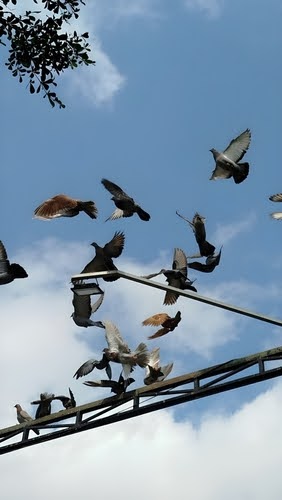
Rock Pigeon
The most common commercial pest bird in North America — rooftops, ledges, parapets, and signage.
View species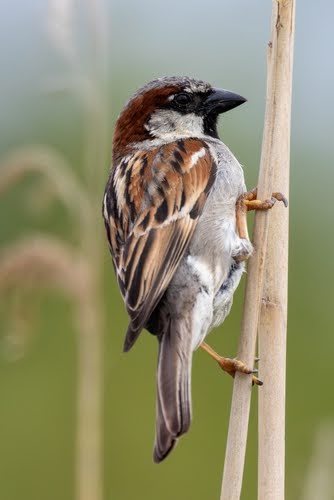
House Sparrow
Small, aggressive cavity-nester that colonizes signage, canopies, and structural voids.
View species
European Starling
Aggressive flock-forming cavity nester known for enormous roosts, heavy droppings, and displacing native birds.
View species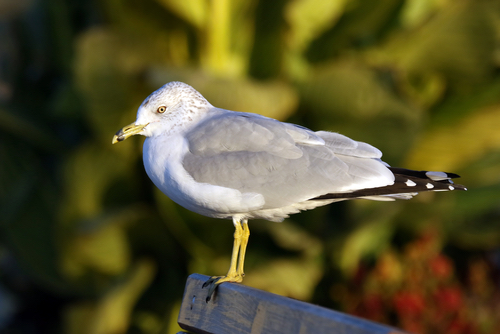
Gulls
Large, aggressive rooftop nesters common on flat-roof facilities, food plants, landfills, and coastal industrial sites.
View species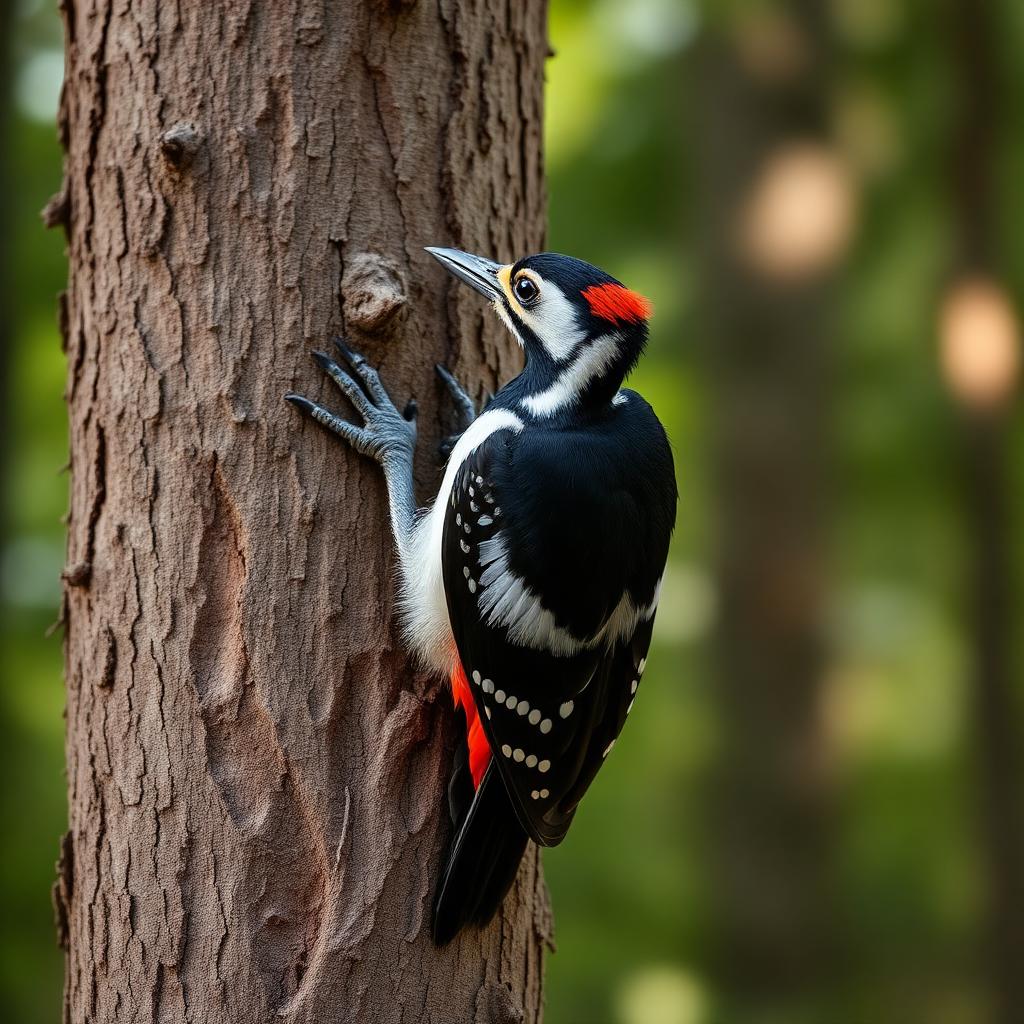
Woodpeckers
Cavity-excavating birds that damage siding, insulation, fascia, and rooftop equipment while drumming for territory.
View species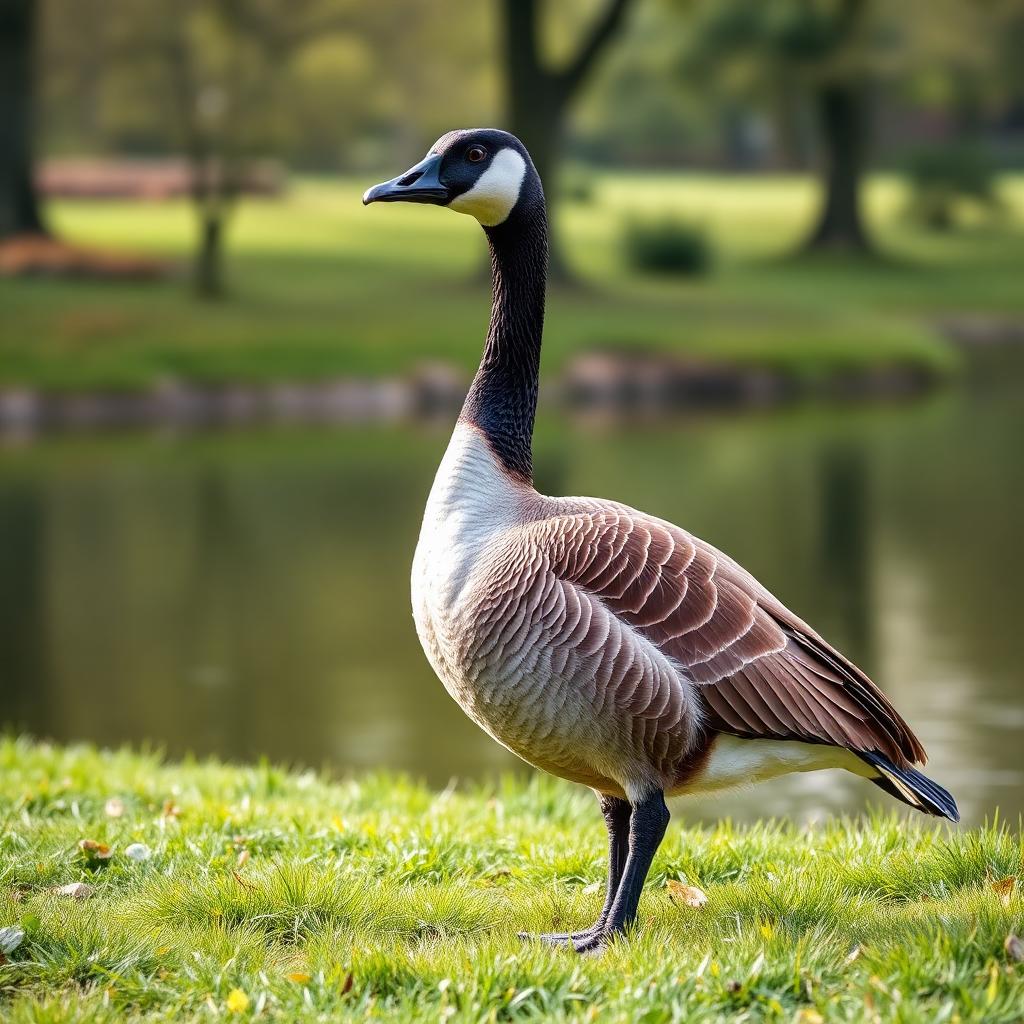
Canada Goose
Large grazing waterfowl that colonize corporate lawns, retention ponds, campuses, and airport buffer zones.
View species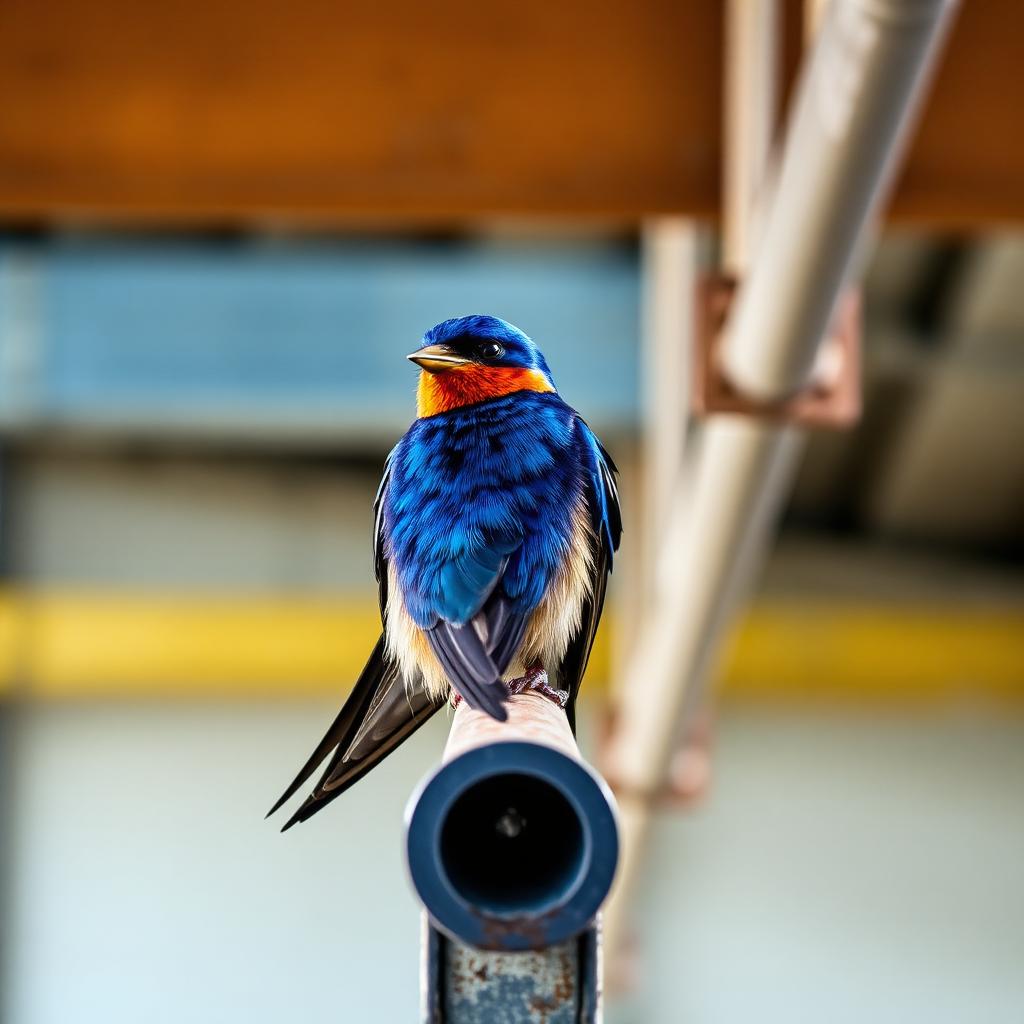
Swallows
Migratory mud-nesters that plaster colonies of nests on eaves, overhangs, canopies, and bridges — federally protected.
View species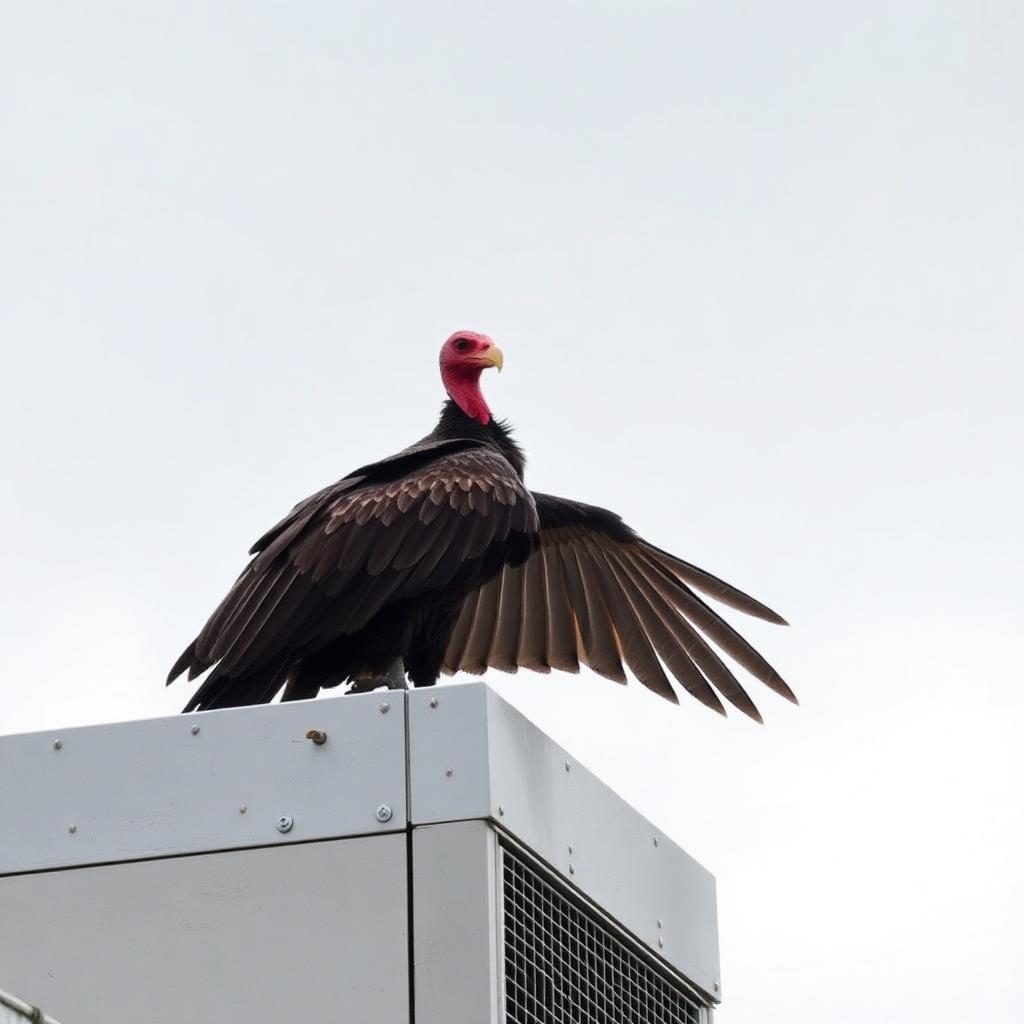
Vultures
Large soaring scavengers that roost in flocks on communication towers, rooftops, and water tanks — federally protected.
View speciesNeed a Commercial Bird Control Solution?
Tell us about your facility, bird problem, and project location. Our commercial bird control team can evaluate the situation and help determine an appropriate solution.